21 August 2026
PUR vs EVA Perfect Binding: What’s the Difference?
PUR and EVA are two adhesive systems used in perfect binding. Both are used to bind a prepared book block to a wraparound cover, creating the familiar square-spine finish found on many books, manuals, catalogues and reports.
PUR and EVA have different characteristics that can make them suitable for different perfect binding applications. Factors such as the materials being bound, production requirements, turnaround time and equipment compatibility can all influence the choice between them.
What Is PUR Perfect Binding?
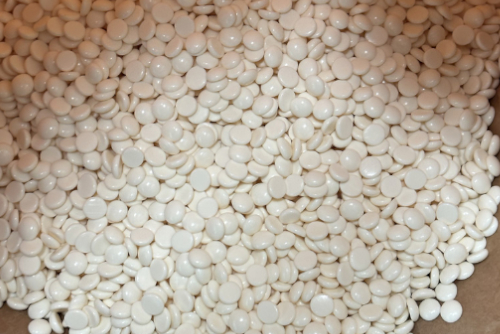
PUR perfect binding uses polyurethane reactive adhesive to bind the prepared book block and cover.
PUR is commonly associated with applications involving coated, laminated and digitally printed materials, although suitability depends on the stock, adhesive and equipment being used.
One of the reasons printers consider PUR is its ability to accommodate a variety of perfect binding applications and materials. However, PUR systems also have their own operating and handling requirements, which should be considered when comparing equipment.
Advantages of PUR Binding
Depending on the materials, adhesive and equipment being used, PUR can offer several advantages:
- Suitable for a variety of perfect binding applications.
- Commonly considered for coated, laminated and digitally printed materials.
- Can provide a flexible bound spine.
- Available for professional book, catalogue and document production.
PUR Binding Considerations
Before choosing a PUR system, consider:
- PUR adhesive requires a curing period after binding.
- Adhesive handling and storage requirements should be followed carefully.
- Cleaning and operating procedures vary between machines.
- The binder, adhesive and materials being used should be compatible.
- Production workflow and turnaround requirements should be considered before selecting equipment.
What Is EVA Perfect Binding?
EVA perfect binding uses a hot-melt adhesive during the binding process before the cover is attached.
EVA systems are widely used for a range of books, manuals, catalogues, reports and other perfect-bound print products.
As with PUR, the suitability of EVA depends on the complete application, including the paper and cover materials, adhesive and perfect binding equipment.
Advantages of EVA Binding
Depending on the application, EVA can offer several practical advantages:
- Commonly used across a wide range of perfect binding work.
- Suitable for many conventional print applications.
- Available across a range of perfect binding equipment.
- Can support efficient production workflows, depending on the machine and application.
EVA Perfect Binding Considerations
When considering EVA, check:
- Compatibility with the paper, cover and printed surfaces being used.
- The adhesive specification recommended for the equipment.
- Machine operating and cleaning requirements.
- The type and volume of work being produced.
- The required turnaround and finished result.
When compatibility is uncertain, check the machine and adhesive specifications and test the actual printed materials before moving into a larger production run.
PUR vs EVA: What Is the Main Difference?
The main difference between PUR and EVA perfect binding is the type of adhesive used and the characteristics each system brings to the binding process.
PUR is commonly considered where printers are working with materials such as coated, laminated or digitally printed stocks. EVA is widely used across conventional perfect binding applications and is available across a broad range of binding equipment.
However, adhesive type should not be considered in isolation. The materials being bound, machine specification, production volume and required finished result all need to work together.
For that reason, there isn’t a single adhesive system that will automatically be the best option for every perfect binding application.
How Can You Choose Between PUR and EVA?
Start with the work you regularly produce rather than choosing an adhesive based on one characteristic alone.
What Materials Are You Binding?
Consider the paper, cover materials, coatings and printing processes involved in your work.
PUR is commonly considered for applications involving coated, laminated or digitally printed materials, while EVA is widely used across conventional perfect binding work.
Compatibility can vary, so check the specifications of the adhesive and binding equipment when working with particular materials.
What Type of Publications Do You Produce?
Consider the finished products you regularly bind.
Perfect binding can be used for products including:
- Books
- Manuals
- Catalogues
- Reports
- Brochures
- Directories and similar publications
The dimensions, thickness, materials and construction of these products can all affect which equipment and consumables are suitable.
What Are Your Production Requirements?
Think about how frequently the binder will be used and the type of workload it will need to accommodate.
An occasional short run and regular commercial production can place very different demands on equipment. Machine capacity, setup, automation and operating requirements may therefore be important considerations alongside adhesive type.
How Important Is Turnaround?
Production schedules should also form part of the decision.
PUR and EVA have different adhesive characteristics and operating requirements, so consider how the complete binding process fits into your normal workflow.
If turnaround is particularly important, check the specifications and guidance for the adhesive and equipment you are considering rather than assuming either system will always be faster.
What Equipment Do You Already Use?
If you already operate perfect binding equipment, start by checking which adhesives the machine is designed to use.
Not every perfect binder is intended to operate with every adhesive system, and consumables should be selected according to the equipment manufacturer’s specifications.
If you are purchasing a new machine, consider both the work you produce today and the types of binding jobs you may want to handle in the future.
Should You Test PUR and EVA Before Choosing?
Where material compatibility or finished quality is uncertain, testing can be useful.
Using your own printed sheets and covers can help you assess the finished book and determine whether the combination of stock, adhesive and equipment is suitable for the application.
For production work, always follow the relevant machine and adhesive specifications when carrying out testing or setting up a job.
Choosing a Perfect Binding Machine
Adhesive type is only one consideration when investing in perfect binding equipment.
Before comparing machines, consider:
- The types of publications you produce.
- Minimum and maximum document sizes.
- Book thickness requirements.
- Paper and cover materials.
- Expected production volumes.
- Available workspace.
- Compatible adhesives and consumables.
- Machine setup and operating requirements.
- Servicing and technical support.
Checking these requirements against the individual machine specification can help narrow the choice to equipment that suits your production environment.
Why Choose AfterPrint?
Choosing between PUR and EVA is part of a wider decision about the perfect binding equipment and consumables that suit your work.
With more than 50 years of combined print-finishing experience, AfterPrint can help you compare perfect binding machines for different applications and production requirements.
Explore our range of perfect binding machines and binding consumables, or contact us today for friendly, professional advice and help finding a binding solution for your requirements.