9 October 2026
Perfect Binding vs Wire Binding: Which Is Better?
Perfect binding suits books and brochures that need a square, printable spine, while wire binding suits documents that readers need to open flat or fold back. Neither option is better for every job: choose based on how your publication will be handled, its thickness, and your production needs.
What Does Perfect Binding Involve?
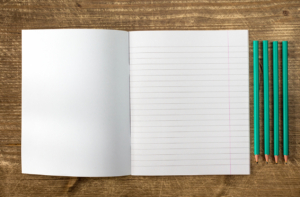
Perfect binding uses adhesive to secure printed pages to a wraparound cover. A machine prepares the book block spine, usually by milling or grooving it, before applying glue. The machine then presses the cover against the spine to form the finished book.
Advantages of a Perfect Bound Finish
A square spine creates a familiar paperback appearance, making perfect binding a popular choice for commercial publications. If the spine is wide enough, it can carry a title or company name for easy identification on a shelf.
Other benefits include:
- A continuous cover design across the front, spine and back.
- Neat stacking for storage, packing and distribution.
- Machinery options for short runs and larger, automated production.
This method delivers a professional finish while keeping the outer cover free of exposed wires or punched holes.
Limitations to Consider Before Binding
Conventional perfect bound books do not open completely flat. Readers may need to hold them open, making this format less convenient for writing or following instructions while working.
Paper coatings and adhesive compatibility also need attention. An unsuitable combination can affect page adhesion, while cooling or curing times determine when books can be handled and trimmed.
Very thin documents may fall below a binder’s minimum spine thickness. Check the specification rather than assuming any collection of sheets can be perfect bound.
Where Perfect Binding Works Best
Novels, product catalogues and substantial brochures suit this method well. Annual reports and prospectuses can also benefit when the brief calls for a book-style presentation.
For publications intended to be read, retained or displayed together, a smooth cover and clearly labelled spine can be particularly useful. This makes perfect binding a practical option for customer literature with a longer shelf life.
How Does Wire Binding Hold Pages Together?
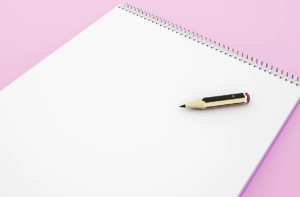
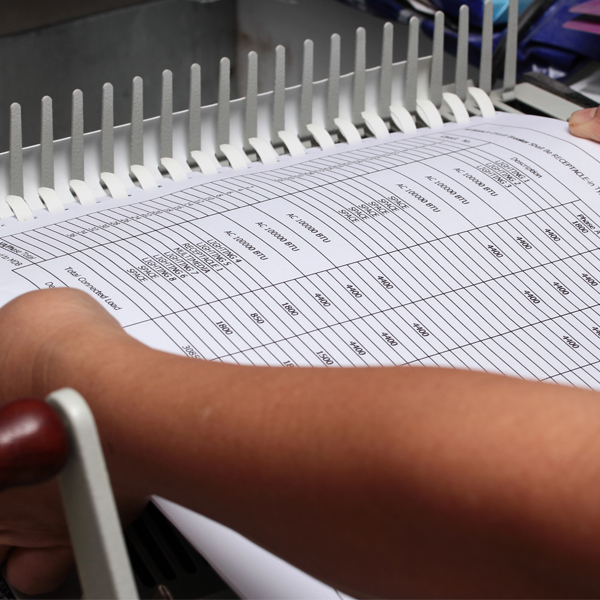
Wire binding secures punched sheets and covers using a double-loop metal wire. Pages are placed onto an open binding element, then a wire closer compresses it into its finished shape.
Also known as Wire-O or twin-loop binding, this process involves punching, assembling and closing. Equipment ranges from combined desktop machines to separate punching and binding systems for higher output.
Advantages of Wire Bound Documents
Pages turn through 360 degrees, allowing a document to fold back on itself. Readers can keep one page visible without needing space for a full spread, which helps when working at a desk or taking notes.
Wire binding also offers:
- Comfortable access to pages throughout the document.
- A choice of wire colours to complement the covers.
- No adhesive cooling or curing stage after closing.
For workbooks and reference materials, ease of handling often matters as much as appearance. Wire binding provides both a tidy finish and convenient everyday use.
Drawbacks of an Exposed Wire Spine
Metal loops can become distorted if crushed, affecting page turning. Suitable packaging helps protect them during transport.
Punching removes part of each sheet along its binding edge, so text and important images need adequate clearance. Accurate alignment and correct wire closure matter too; an incorrectly sized element can restrict movement or leave pages poorly secured.
Wire binding also doesn’t provide a continuous flat spine for a printed title, which can make individual documents harder to identify when stored upright.
Where Wire Binding Works Best in Practice
Training workbooks, diaries, notebooks and reference manuals benefit from easy page access. Calendars are another established application, using suitable punching equipment and, where required, calendar hangers.
Consider a manual used beside a machine. An operator needs to keep instructions visible while completing a task. Wire binding supports can hold the publication open without someone holding it.
How Can You Choose the Right Binding Method?
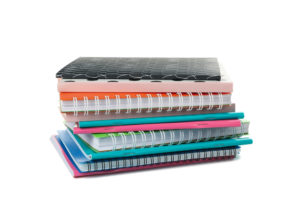
Both methods deliver effective results when matched to the application. Start with what readers need to do, then assess your materials, budget and workload.
A sales publication may place greater emphasis on cover design and shelf presentation. A training document may need to support note-taking and frequent movement between sections. Let those requirements guide the choice.
Before investing in equipment, consider:
- Finished thickness. Measure your intended paper and covers together. Page count alone does not establish binding capacity.
- Production stages. Allow for preparation, punching or glueing, finishing and operator time.
- Cost per document. Include consumables, setup, waste and run length when comparing options.
The finished result. Compare bound samples made with your chosen stock to assess appearance and handling.
Neither method will always cost less or last longer. Build quality, material selection, and proper setup all affect performance, so assess the whole job rather than choosing based on machinery price alone.
Why Choose AfterPrint for Binding Advice?
At AfterPrint, our team brings over 50 years of combined print-finishing experience to help you compare perfect binders and wire binding machines. Contact us with your typical document sizes, paper stocks, and output requirements for advice on equipment and consumables suited to your work.
FAQs About Perfect and Wire Binding
Can Pages Be Replaced After Binding?
Neither method is designed for regular page changes. Perfect-bound documents generally require removing the existing binding and rebinding. You can sometimes replace wire-bound pages by removing the wire and fitting a new element. For frequent updates, a ring binder may be more convenient.
Does Wire Binding Differ From Spiral Binding?
Yes. Wire binding uses paired metal loops, while spiral binding uses a continuous coil threaded through punched holes. They require different consumables and finishing processes, so confirm which system your equipment supports before ordering supplies.
What Do 3:1 and 2:1 Wire Pitch Mean?
Pitch describes hole spacing: 3:1 means three holes per inch, while 2:1 means two. These patterns accommodate different wire sizes and document thicknesses. The binding element must match the punched pattern; the two formats are not interchangeable.
Can You Print Across a Two-Page Spread?
Yes, but allow for the binding area when designing artwork. Perfect binding can obscure details close to the spine, while wire binding creates a gap interrupted by punched holes. Keep essential text, faces and fine details clear of the centre.
Choosing a binding method during the design stage gives you time to account for these details and produce a document that looks right and works comfortably for its readers.