25 August 2026
How to Choose the Right Binding Method
To choose the right binding method, consider the type of document you are producing, its size and page count, expected production volume and the finished appearance you want to achieve.
Different binding methods offer different characteristics, from documents that open flat to clean book-style spines and durable hardcover finishes. Understanding the main options can help you narrow down which approach is most appropriate for your work.
What is Binding in Print Finishing?
Binding turns loose printed sheets into an organised and usable document. Depending on the method, pages may be punched and secured with wire, coil or comb, joined using adhesive, fastened through a fold or sewn together.
Most binding processes begin with printed pages collated into the correct order. The sheets may then be punched, folded or prepared along the spine before being bound and, where required, combined with a suitable cover.
The equipment and consumables required vary according to the binding method and finished document.
Binding Methods at a Glance
- Wire Binding: Commonly used for reports, manuals, notebooks and calendars where an open-flat format and neat appearance are useful.
- Plastic Coil Binding: A flexible binding format often used for training materials, reference documents and other frequently handled publications.
- Comb Binding: Uses a plastic spine that can be reopened, making it useful for documents where pages may need to be changed.
- Thermal Binding: Uses heat-activated adhesive and creates a clean appearance without punched holes.
- Perfect Binding: Creates the glued, square-backed finish commonly associated with paperback books, catalogues and manuals.
- Saddle Stitching: Uses staples through the fold and is widely used for brochures, magazines and booklets.
- Case Binding: Used in the production of hardcover books and other products requiring a rigid outer cover.
What Are the Different Types of Binding?
Wire Binding
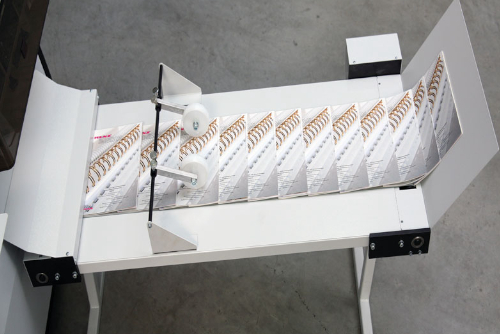
Wire binding uses a metal spine inserted through punched holes and closed around the document.
Its neat appearance and ability to open flat make it a popular format for reports, notebooks, sketchbooks, calendars and manuals.
Key Characteristics:
- Neat metal spine.
- Allows pages to open flat.
- Suitable for a variety of document formats.
- Available in different wire sizes and specifications.
Plastic Coil Binding
Plastic coil binding, also known as spiral binding, uses a flexible coil inserted through a row of punched holes.
It is commonly found on training materials, manuals, reference documents and other publications designed for regular handling.
Key Characteristics:
- Flexible plastic spine.
- Comfortable page turning.
- Available in different colours and sizes.
- Suitable for a range of frequently handled documents.
Comb Binding
Comb binding uses a plastic spine inserted through prepared rectangular holes in the document.
A key feature is that suitable combs can be reopened, allowing pages to be removed, replaced, or added as needed.
Key Characteristics:
- Pages can be changed after initial binding.
- Straightforward document format.
- Available in a range of spine sizes.
- Commonly used for reports, manuals and internal documents.
Thermal Binding
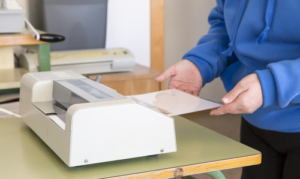
Thermal binding uses heat to activate adhesive within a prepared cover, strip or spine.
Because the process does not require holes to be punched through the pages, it can provide a clean appearance for presentations, proposals, reports and similar documents.
Key Characteristics:
- Clean spine appearance.
- No visible punched holes.
- Uses heat-activated adhesive.
- Suitable for a range of presentation-style documents.
Perfect Binding
Perfect binding joins pages along a prepared spine using adhesive before a wraparound cover is applied.
It creates the square-backed appearance commonly associated with paperback books, catalogues, manuals and brochures.
The exact process, adhesive and equipment used will depend on the application and production requirements.
Key Characteristics:
- Clean, square-backed finish.
- Commonly used for books, catalogues and manuals.
- Wraparound cover format.
- Suitable for commercial print applications.
Saddle Stitching
Saddle stitching is commonly used for brochures, magazines, programmes and booklets.
Printed sheets are folded and nested together before being fastened through the central fold with staples.
The number and type of sheets that can be processed will depend on factors such as the paper and equipment being used.
Key Characteristics:
- Familiar booklet format.
- Commonly used for brochures and magazines.
- Pages are secured through the central fold.
- Suitable for a variety of commercial print applications.
Case Binding
Case binding is associated with hardcover books and other premium bound products.
A rigid outer case is produced using board covered with printed, decorative or specialist material. The prepared book block is then combined with the case as part of the binding process.
Case-making machines are used to produce the rigid outer covers required for this type of work.
Key Characteristics:
- Rigid hardcover construction.
- Premium finished appearance.
- Used for books and presentation products.
- Supports a variety of cover materials and finishes.
Sewn Binding
Sewing is another method used within book production. Folded sections can be joined using thread before progressing through subsequent binding and finishing stages.
The exact process varies according to the type of book being produced, so specialist advice may be required when considering sewn book production.
How Do You Choose Between Binding Methods?
The most appropriate method depends on the finished document and how it needs to be used.
Rather than selecting a process based solely on appearance, consider the practical requirements of the job.
How Should the Document Look?
Consider whether you want a visible wire, coil or comb spine, a clean adhesive-bound spine, a booklet format or a rigid hardcover.
The binding method can make a substantial difference to the overall appearance of the finished product.
How Should the Pages Open?
Think about how the document will be used after production.
Wire and coil formats are commonly considered where an open-flat format is useful. Other methods may be more appropriate where the appearance of the spine or cover is the greater priority.
Will Pages Need to Be Changed?
If a document needs to be updated after binding, this should influence the method you consider.
For example, suitable plastic combs can be reopened so pages can be added or removed. Other binding methods are intended to create a more permanent finished document.
What Type of Document Are You Producing?
Different methods are commonly associated with different types of finished work.
Reports and manuals may use wire, coil, comb or thermal binding, while brochures and booklets are frequently saddle stitched. Perfect binding is commonly seen on books, catalogues and manuals, while case binding is associated with hardcover production.
These are general examples rather than fixed rules, and the most suitable method will depend on the individual job.
What Materials Are Being Used?
Paper, covers, inserts and other materials should all be considered before choosing a binding process.
Their size, thickness and specification can affect the equipment and consumables required. Where compatibility is uncertain, check the requirements of the relevant machine and binding system before production.
How Much Work Will You Produce?
Production volume can influence the type of equipment required for a particular binding method.
Occasional document production has different requirements from regular commercial work, where speed, repeatability and the number of manual stages may become more important.
How to Choose the Right Binding Machine
Once you have identified the binding method you want to use, the next step is to compare suitable equipment.
Where Will It Be Used?
An office, school, university print room and commercial print environment can each have different requirements.
Consider who will operate the machine, how often it will be used, and how much space is available.
How Frequently Will It Run?
Estimate typical daily or weekly production as well as periods of higher demand.
This provides a more useful picture of your requirements than choosing equipment around a single job.
What Documents Will It Handle?
Check the equipment specifications against the documents you expect to produce.
Depending on the binding method, relevant factors may include document format, punching capacity, working width and compatible binding sizes.
Where Will the Machine Be Positioned?
Measure the available space before ordering and consider the room required to operate the equipment comfortably.
Larger systems may also require additional space for loading, finished work and access for routine maintenance or servicing.
Which Consumables Does It Require?
Binding consumables need to be compatible with the equipment being used.
Requirements vary between binding systems, so check the relevant machine specifications when selecting wires, coils, covers, adhesives or other consumables.
Availability and ongoing consumable costs are also worth considering before investing in equipment.
What Support Is Available?
Servicing, maintenance, warranty provision and access to technical support may be important considerations, particularly for equipment used regularly.
Checking the support available before purchase can help you understand what is provided throughout the machine’s working life.
Why Choose AfterPrint?
Choosing between wire, coil, comb, thermal, perfect, saddle-stitched and case-bound formats depends on the documents you produce and the finish you want to achieve.
With more than 50 years of combined print-finishing experience, AfterPrint can help you compare binding equipment based on your document requirements, production volumes, available space and consumable needs.
Explore our range of binding machines, or contact us today for friendly, professional advice and help finding the right binding solution for your needs.